Tech
How AI Image Generators Are Changing Digital Content Creation

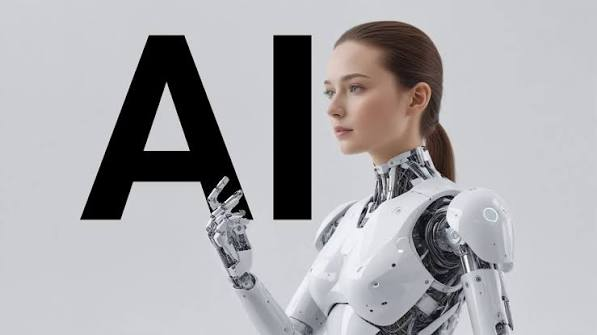
Creating visual content used to require a combination of design skills, editing software, stock-image libraries, and plenty of time. Today, artificial intelligence is changing that process. AI image generators allow creators to turn written ideas into visual concepts in a matter of seconds, making it easier to experiment with new styles and produce content for different platforms.
From social media posts and blog illustrations to marketing campaigns and video concepts, AI-generated images are becoming part of everyday digital workflows. However, the real value of these tools is not simply generating an image. It is how they help creators move from an idea to a usable piece of content more efficiently.
Table of Contents
From a Simple Prompt to a Finished Visual
One of the biggest advantages of generative AI is the ability to start with an ordinary text description. Instead of searching through hundreds of stock images, a creator can describe the subject, setting, mood, lighting, and visual style they have in mind.
For example, a marketer preparing a campaign for a new product might need a clean lifestyle image that matches a particular brand aesthetic. Rather than relying entirely on existing photography, an AI image tool can provide several concepts to explore.
The creator can then review those results, adjust the prompt, and develop the visual further. This makes the process feel less like searching for an existing image and more like building one.
Why AI Image Generation Is Useful for Content Creators
Digital content is highly visual. A blog article needs an attractive featured image, social media posts compete for attention in crowded feeds, and video creators often need thumbnails, backgrounds, characters, or concept art.
AI image generation can support each of these tasks.
For bloggers, it can provide original visual concepts that complement an article. Social media managers can use generated imagery when they need creative variations for different posts. Video creators can use AI-generated visuals during the planning stage to communicate the look and feel of a project before production begins.
The technology can also make experimentation cheaper. Instead of committing significant resources to one visual concept, creators can generate several directions and decide which idea deserves further development.
Choosing an AI Image Generator
Not every AI image generator is designed for exactly the same purpose. Some focus heavily on artistic images, while others are built around editing, reference images, consistency, or broader content-creation workflows.
When choosing a tool, creators should consider several factors.
Image quality is an obvious consideration, but it is not the only one. A tool should also make it reasonably easy to control the output and refine unsuccessful results.
Prompt flexibility is important when a project requires specific details. The ability to describe composition, lighting, subjects, and style can make a significant difference.
Editing features can also save time. Being able to modify an existing image instead of generating an entirely new one can be valuable for practical design work.
Workflow compatibility matters as well. If a creator works with images, videos, and other digital assets, a platform that supports several stages of content creation may be more convenient than using a collection of disconnected tools.
Magic Hour for AI-Powered Visual Creation
For creators looking for a flexible way to explore AI-generated visuals, Magic Hour provides an accessible browser-based workflow. Its AI Image Generator can create images from text prompts and also supports workflows involving reference images.
This can be useful when the goal is more specific than simply generating a random picture. Creators can start with an idea, experiment with different visual directions, and refine the result according to the requirements of a project.
Magic Hour also goes beyond basic image generation. Its broader collection of AI creative tools can support workflows involving image editing, image enhancement, character and style consistency, and video creation. For creators who regularly move between static images and video content, having these capabilities within one platform can simplify the production process.
Another useful aspect is experimentation. AI content creation often involves generating several versions before finding an approach that works. A flexible workflow allows creators to compare ideas rather than settling for the first result.
AI Images and Video Production
AI-generated images can also play an important role before a video is produced.
A video creator might first generate concept images to establish characters, locations, colors, or overall visual direction. These images can then serve as references during production.
For short-form content, AI-generated visuals can also provide backgrounds, transitions, illustrations, and other supporting assets. This does not necessarily replace traditional video editing. Instead, it gives editors more material to work with.
The combination of AI image generation and video editing is particularly useful for creators who produce content regularly and need fresh visual assets without repeating the same templates.
AI Is Changing the Creative Process, Not Eliminating It
There is sometimes a misconception that AI image generation means the creator no longer needs to make creative decisions. In practice, the opposite can be true.
A generated image is only the starting point. Someone still needs to decide what the image should communicate, whether it fits the brand, how it should be edited, and where it belongs within the final piece of content.
The strongest results often come from iteration. A creator writes a prompt, reviews the output, identifies what needs to change, and tries again. Small adjustments to composition or description can produce substantially different results.
This means creative judgment remains important even when the technical process becomes faster.
Practical Uses for AI-Generated Images
There are many situations where AI-generated visuals can be useful:
- Blogging: Create article illustrations and featured images.
- Social media: Develop original visuals for posts and campaigns.
- Marketing: Explore advertising concepts before committing to production.
- Video: Create storyboards, backgrounds, thumbnails, and visual references.
- E-commerce: Develop product presentation concepts and promotional imagery.
- Branding: Experiment with different visual directions and campaign ideas.
- Creative projects: Turn imaginative concepts into visual prototypes.
The best use case depends on the creator’s goals and the amount of control required over the final result.
The Importance of Human Editing
Even when AI produces a strong image, human review remains an important part of the process. Generated visuals may contain details that need correction, or they may not communicate the intended message clearly.
A human editor can evaluate composition, relevance, consistency, brand suitability, and overall quality. This is especially important when images are being used for professional marketing or published content.
AI can speed up the creative process, but human judgment helps determine whether the final result is actually useful.
Final Thoughts
AI image generation is becoming an increasingly practical part of digital content creation. Its value goes beyond producing attractive pictures: it can help creators brainstorm ideas, develop visual concepts, support video production, and produce content more efficiently.
The technology works best when it is treated as a creative tool rather than a complete replacement for the creator. Good prompts, thoughtful iteration, careful editing, and human review can all contribute to better results.
As AI continues to develop, image generation is likely to become an even more integrated part of how creators plan, design, edit, and publish digital content.

-
 Health6 years ago
Advantages and Disadvantages of Milk
-

 Tech5 years ago
6 Tips to Improving E-Commerce Websites
-
 Home6 years ago
Advantages and Disadvantages of Village Life in Points
-
 Travel6 years ago
Advantages and Disadvantage of Travelling
-

 Law3 years ago
Common Types of Personal Injury Cases in Chicago: A Comprehensive Guide
-
 Tech6 years ago
10+ Advantages and Disadvantages of Mobile Phones in Points
-
 Tech6 years ago
Essay on Advantages and Disadvantages of Offline Shopping
-
 Tech6 years ago
8+ Advantages and Disadvantages of Motorcycle |Having Bike